What is Pneumonia?
Pneumonia is a respiratory infection that inflames the lungs, making breathing difficult and reducing oxygen supply to the body. It can be caused by bacteria, viruses or fungi that affects millions of people worldwide, especially children under five and older adults.
The History Behind World Pneumonia Day
World Pneumonia Day was first established in 2009 by the Global Coalition Against Child Pneumonia, with support from UNICEF and the World Health Organization (WHO). The aim was to raise global awareness and encourage action against pneumonia.
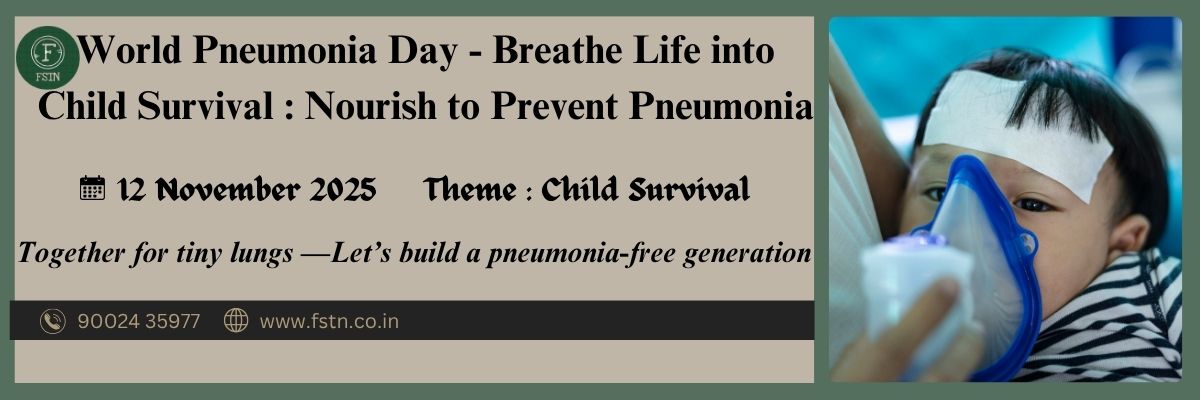
Every year on November 12, the world unites to observe World Pneumonia Day, a global initiative dedicated to raising awareness about the leading infectious cause of death among children — pneumonia.
Focusing on the Theme of the year 2025
In 2025, the theme “Child Survival” calls for renewed commitment to safeguard every child’s right to breathe, grow and thrive. Pneumonia, though preventable and treatable, continues to claim the lives of thousands of children each day. Around 155 million children under 5 sick every year and kills about 1.6 million of them. It is the leading cause of death among young children — taking more lives than AIDS, malaria, and measles combined. The burden is highest in regions where poverty, malnutrition and inadequate healthcare intersect — making it both a health and socio-economic concern. This year’s focus reminds us that preventing pneumonia is not just about medical treatment — it’s about strengthening nutrition, immunity and access to healthcare for all.
Health, Hygiene, and Immunization: The Triple Defense
As we move into 2025, our goal is to reduce infections like pneumonia through strong immunity, awareness and preventive healthcare.
- Routine immunization with vaccines such as Pneumococcal (PCV), Hib, and Measles can reduce pneumonia cases by more than half.
- Ensuring hand hygiene, clean cooking fuels, smoke-free homes and safe water are equally vital for respiratory and overall child health.
- Healthcare professionals, nutritionists and policymakers must collaborate to create integrated health systems — where immunization, nutrition education, and disease prevention work hand in hand.
Nutrition: The Silent Shield Against Pneumonia
In 2021, pneumonia claimed the lives of 2,2 million people including 502,000 (23%) children aged less than 5years and 152,000 (7%) newborn babies. Malnutrition weakens the immune system, leaving children more susceptible to respiratory infections. Deficiencies in key nutrients like vitamin A, zinc, iron, and protein impair the body’s defense mechanisms, while underweight or stunted children face higher risks of severe outcomes.
- Exclusive breastfeeding for the first six months of life can reduce the risk of pneumonia by strengthening immunity and providing essential antibodies.
- A Balanced diet rich in fruits, vegetables, whole grains, and lean proteins that contains enough amount of vitamins, minerals, and antioxidants helps strengthen the immune system and build resistance against respiratory infections like pneumonia.
- Including vitamin C–rich foods such as oranges, amla, kiwi, guava, and bell peppers can help fight infections naturally.
- Zinc-rich foods like pumpkin seeds, chickpeas, lentils, and nuts play a key role in boosting immunity.
- Protein sources such as eggs, paneer, lentils, soy and lean meats help repair tissues and maintain lung strength.
- Staying well-hydrated with warm soups, herbal teas, and infused water keeps the respiratory tract moist and supports easier breathing.
- Adding turmeric, ginger, garlic, tulsi and black pepper to your daily meals can provide anti-inflammatory and antimicrobial benefits.
Together, these foods not only enhance lung health but also help the body recover faster and stay resilient against infections.
A Call to Action
Nutritionists play a vital role in developing age-appropriate, culturally acceptable diet plans to promote immunity in children and support faster recovery in infected patients. From a dietetics perspective, addressing community-level malnutrition through nutrition counseling, supplementation programs, and diet diversification can drastically reduce pneumonia mortality.
Affordable treatment & prevention options exist against pneumonia.There are effective vaccines against the two most common bacterial causes of deadly pneumonia, Haemophilusinfluenzae type B and Streptococcus pneumoniae, and most common viral cause of pneumonia, Orthomyxoviridae. Pneumonia can be prevented with timely vaccinations such as the Pneumococcal Conjugate Vaccine (PCV), Pneumococcal Polysaccharide Vaccine (PPSV23), and Haemophilus influenzae type b (Hib) vaccine, which protect against major bacterial causes of pneumonia.
Step towards change
With combined efforts in Nutrition, Vaccination and Community Awareness, 2025 can mark a significant step toward a Healthier, Pneumonia-free future. Combating pneumonia requires more than medicine — it demands nutritional awareness, preventive healthcare and social responsibility. By empowering families with nutritional knowledge, ensuring access to vaccines, and promoting healthy environments, we can make pneumonia deaths a story of the past. Because when Children Survive, Nations Thrive.