Emotional eating, also known as stress eating, comfort eating and emotional overeating, is defined as the "propensity to eat in response to positive and negative emotions". While the term commonly refers to eating as a means of coping with negative emotions, it sometimes includes eating for positive emotions, such as overeating when celebrating an event or to enhance an already good mood.
Stress? Does it matter?
Stress, a real or perceived disruption in homeostasis, influences eating behaviors and food choices. The effects of stress differ based on the type and duration of the stressor.
During acute stress, appetite is typically suppressed. Chronic stress generally promotes wanting, seeking and intake of palatable high-fat and energy-dense foods. Stress, particularly chronic stress, has been linked with obesity and weight gain in several but not all studies.
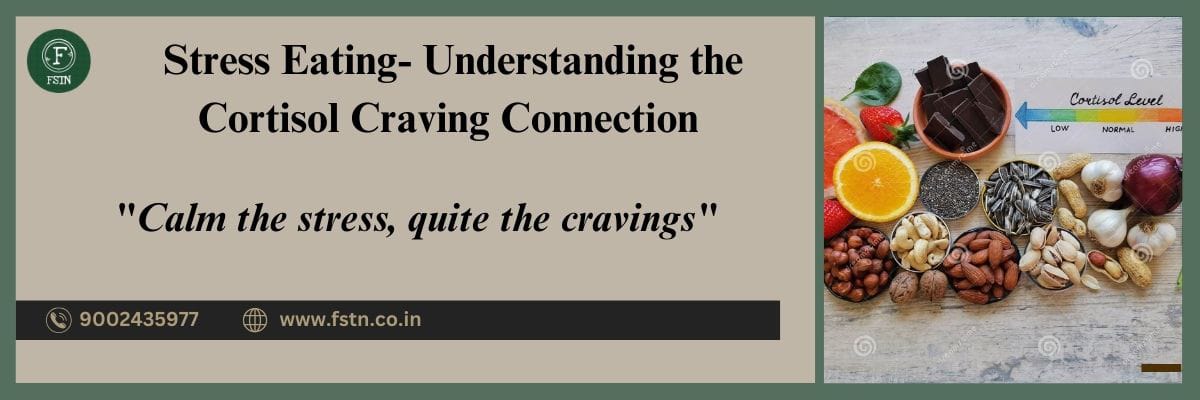
Chronic stress can mess with your hunger hormones. When your HPA axis stays activated, your body releases more cortisol — a hormone that boosts appetite and cravings for comfort foods. But the link between cortisol and weight gain isn’t fully clear yet, because most studies are small or one-time snapshots.
Research Reveals
- Studies indicate that up to 70% of women experience stress eating. Stress eating may seem harmless at the moment, but over time, it can significantly impact both physical and mental health.
- A study found that about 40% of individuals tend to eat more when stressed, these foods are typically high in sugar, fat or carbohydrates and are associated with positive feelings or nostalgic memories. For instance, a review found that individuals often crave specific comfort foods during times of distress, such as ice cream or pizza, which provide immediate gratification but do not address the underlying emotional issues.
- A study suggests that some people with obesity also struggle with binge eating disorder (BED). This means they have episodes where they eat a large amount of food very quickly and feel unable to stop.
Strategies for Managing Cravings
Managing cravings is key to healthy weight control. Simple habits like
- Mindful eating
- Smart snacking
- Staying hydrated
- Choosing protein-rich meals
- Keeping regular meal timings can help you handle cravings and build healthier eating patterns.
- Add Magnesium rich foods like pumpkin seeds, dark chocolate, spinach, almonds.
- “One-Plate Rule” If you decide to eat, serve a portion on a plate.
There are some smart, satisfying, stress-friendly snacking options.
Light & Crunchy Options:
- Roasted chana
- Air-popped popcorn
- A handful of nuts
- Cucumber sticks with chilli–lemon sprinkle
- Homemade baked sweet potato chips
Protein-Packed Bites:
- Paneer cubes tossed with herbs
- Hard-boiled eggs with a pinch of salt + pepper
- Curd with a spoon of flaxseed
- Sprouts chaat with lemon + coriander
- Boiled chole with spices
Stress Management Techniques-
- Yoga
- Meditation
- Deep breathing
Take home message - “Beat Stress First; Cravings will follow.”
To overcome stress-driven cravings, focus on settling the stress first, not fighting the food. When you slow your mind, your cortisol drops, and the urge to reach for comfort foods naturally fades. Create small pockets of calm in your day, fuel your body regularly so it doesn’t panic for quick energy and build habits that help you pause before reacting. When your stress is managed, your cravings follow — not the other way around.