Disclaimer : For the best reading experience and optimal visibility of this blog, we recommend viewing it in your device’s Default or Light Mode. Display quality may vary when using Dark Mode.
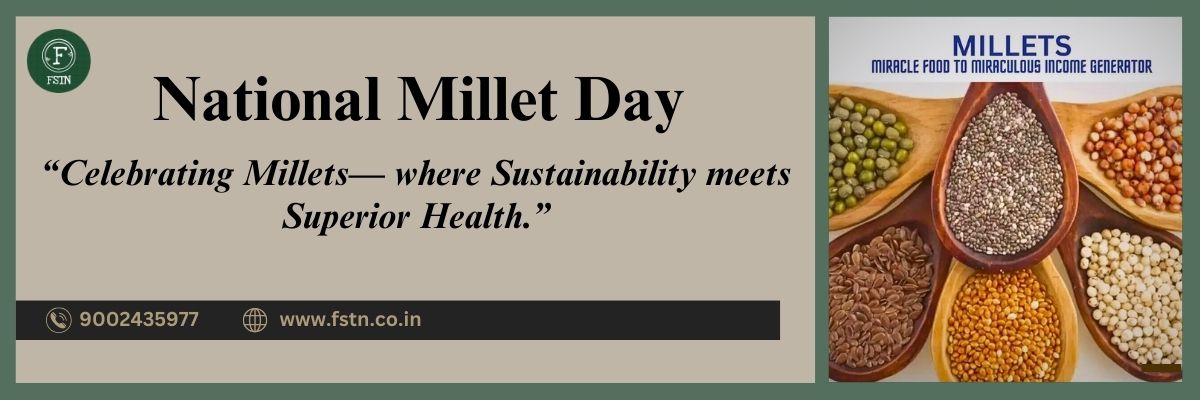
Millet is a group of small-seeded grasses, cultivated as a cereal crop for human food and animal fodder, known for being hardy, drought-resistant, and nutritious. Millet belongs to the grass family. Millets may have been consumed by humans for about 7,000 years and potentially had "a pivotal role in the rise of multi-crop agriculture and settled farming societies”.
Attributes and its type
- It’s widely consumed in developing countries throughout Africa and Asia. Millets have gained popularity in the West. Considered an ancient grain, they are used both for human consumption and livestock and bird feed
- There is all total 12 millets which is divided into two categories — large and small millets, with major millets being the most popular or commonly cultivated varieties
Large/ Major millets include such as
- 1. Pearl millet
- 2. Foxtail millet
- 3. Jowar (sorghum)
- 4. Finger millet (or ragi)
Small/ Minor millets include such as
- 1. Kodo millet
- 2. Barnyard millet
- 3. Little millet
- 4. Guinea millet
- 5. Browntop millet
- 6. Fonio millet
- 7. Adlay (or Job’s tears) millet
- 8. Proso millet
Pearl millet is the most widely produced variety intended for human consumption. Still, all types are renowned for their high nutritional value and health benefits.
Nutritional Aspect
Millets are rich in carbs. Notably, they also pack several vitamins and minerals. They provide more essential amino acids than most other cereals. These compounds are the building blocks of protein. The mix offers a synergistic blend of protein, essential minerals, high fiber, and various antioxidants, contributing to overall health and helping manage lifestyle diseases. Finger millet boasts the highest calcium content of all cereal grains, providing 13% of the Daily Value (DV) per 1 cooked cup (100 grams) necessary to ensure bone health, blood vessel and muscular contractions, and proper nerve function. A single mix bowl leverages the unique strengths of each grain, providing a comprehensive nutrient profile.
- Pearl Millet (Bajra)
Rich in iron, magnesium, and fiber—supports anemia prevention and gut health; ideal for women, adolescents, and individuals with low hemoglobin.
- Foxtail Millet
High in protein, B-vitamins, and magnesium—helps glucose control and sustained energy; suitable for diabetics and active individuals.
- Jowar (Sorghum)
Packed with antioxidants, fiber, and potassium—supports heart health and digestion; great for weight-watchers and those with gluten intolerance.
- Finger Millet (Ragi)
Excellent source of calcium, iron, and amino acids—boosts bone health and satiety; ideal for children, elderly, and those with calcium deficiency.
- Kodo Millet
High in fibre and moderate protein, it supports digestion and weight management, making it ideal for individuals aiming for weight control (~8.3 g protein, ~9 g fibre per 100 g).
- Barnyard Millet
Rich in protein and iron, it aids metabolic and heart health and is best suited for vegetarians and those with low iron (~11.2 g protein, ~15.2 mg iron per 100 g).
- Little Millet
A balanced, energy-sustaining grain suitable for daily adult consumption, offering ~7.7 g protein and ~9.3 mg iron per 100 g.
- Guinea Millet
A fibre-rich, nutrient-dense grain supporting general metabolic health, suitable for individuals seeking wholesome, gluten-free options (values vary by region).
- Browntop Millet
Exceptionally high in fibre and protein, it improves gut health and is ideal for those needing high-fibre, gluten-free diets (~11.5 g protein, ~12.5 g fibre per 100 g).
- Fonio Millet
Rich in essential amino acids and minerals, it is excellent for vegans and nutrient-focused individuals (approximately 7–11 g protein per 100 g).
- Adlay (Job’s Tears) Millet
A nutrient-dense grain supporting bone health and immunity, suitable for adults and the elderly, with high protein, fibre, and calcium per 100 g.
- Proso Millet
High in protein and minerals, it supports muscle repair and energy needs, making it ideal for athletes and active individuals (~12.5 g protein, ~14 mg calcium per 100 g).
Rich in antioxidants:
- Millets are rich in phenolic antioxidants like ferulic acid and catechins.
- Ferulic acid supports wound healing, skin protection, and anti-inflammatory activity.
- Catechins help detoxify heavy metals through chelation.
- Darker millets—finger, proso, and foxtail—contain superior antioxidant levels.
Controls blood sugar levels
- Millets are rich in fiber and non-starchy polysaccharides, two types of indigestible carbs that help control blood sugar levels.
- This cereal also has a low glycemic index (GI), meaning that it’s unlikely to spike your blood sugar levels.
- Thus, millets are considered an ideal grain for people with diabetes.
Lowers cholesterol
- The soluble fiber in millets forms a viscous gel that traps fats and helps lower cholesterol.
- Foxtail and proso millet have been shown to significantly reduce triglyceride levels.
- Millets may elevate adiponectin, a heart-protective, anti-inflammatory hormone that enhances fat oxidation and is often low in obesity and type 2 diabetes.
- Millet protein also contributes to cholesterol reduction.
Fits a gluten-free diet
- Millets are naturally gluten-free, making them suitable for individuals with celiac disease or gluten sensitivity.
- Gluten from wheat, barley, and rye can trigger digestive issues and nutrient malabsorption in these individuals.
- Choose millets labelled certified gluten-free to avoid cross-contamination.
End Note
World Millet Day highlights the powerful role of millets as nutrient-rich, gluten-free, and climate-resilient grains. Packed with fiber, minerals, antioxidants, and low in glycemic index, they support better health while promoting sustainable farming. With each variety offering unique benefits, millets are a smart choice for people of all ages.
Incorporating millets into our daily diets is a simple step toward a healthier lifestyle and a more sustainable future.