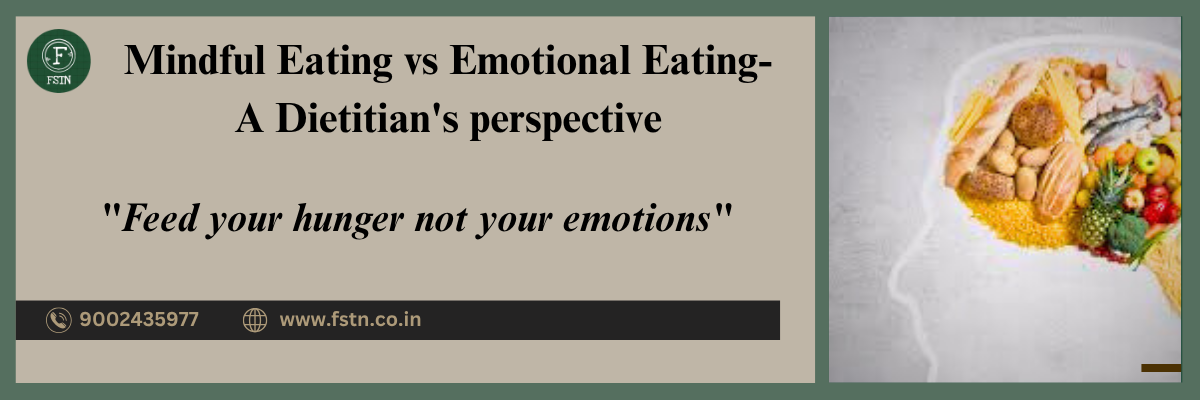
Obesity and depression may be related; however, the exact nature of this connection is unclear. Eating behavior disorders are commonly observed in both obesity and depression. Increasing food consumption to alleviate or eliminate negative emotions may explain the link between gaining weight and depression.
Mindful eating: where hunger meets harmony
focuses on awareness—being fully present during meals and tuning into the body’s natural hunger and satiety cues. It’s about slowing down, savoring every bite, and appreciating the taste, texture, and aroma of food. This practice encourages eating with intention rather than impulse, helping individuals make more nourishing choices and prevent overeating. Mindful eating also strengthens the mind-body connection, allowing people to understand when they are truly hungry versus when they are eating out of habit or emotion.
It’s not your stomach that’s hungry, it’s your heart
It soothes or suppress emotions rather than satisfy physical hunger. It often happens during times of stress, loneliness, sadness, or even celebration, when food becomes a source of comfort or distraction.While it may offer short-term relief, it usually lead needs to guilt, regret, and a disrupted eating pattern that can affect both physical and emotional health.
Childhood habits are seeds — plant mindful ones, not emotional ones.
Particularly for children, obesity increases the risk of social stigmatization, low self esteem, depression, and body dissatisfaction. Furthermore, childhood obesity raises the risk of adult obesity and comorbid conditions. As such, emotional eating in childhood could have the potential for lifelong risk.
Specifically, parental behaviors, such as dieting, regulation of energy intake, food preferences, food selection, and food made available to the child, directly shape the child's eating behaviors through remodeled behaviors and indirectly through parental child feeding practices.
Research study suggests
A study explored how emotional eating, mindful eating, and depression are connected in young adults. Most participants were around 21 years old. Their average body weight (BMI) was about 22.6, which is roughly in the normal range for 100% of healthy adults. On average, they ate about 2 to 3 main meals a day (around 70–80% of daily food intake) and had 1 snack (about 20–30% of daily intake).
In a study of 303 women, 64.4% were emotional eaters who consumed more high calorie, low-nutrient foods, increasing their risk of obesity and diabetes. Another study on 224 students found that those with low mindful-eating levels had higher BMI, body fat, and depression. These findings show that emotional eating harms both body and mind, while mindful eating supports overall well-being.
Feed your needs, not your moods
Thus, when parents select, make available, and consume fruit and vegetables, children's eating behaviors, intake, and preferences are positively impacted. Parents and caregivers select foods, serve as role models, and use feeding practices, which overall impact the social and environmental factors that influence food choices, eating patterns, and behaviors of the child. As such, parental behaviors may have a substantial impact on the lifelong health of the child.