Disclaimer : For the best reading experience and optimal visibility of this blog, we recommend viewing it in your device’s Default or Light Mode. Display quality may vary when using Dark Mode.
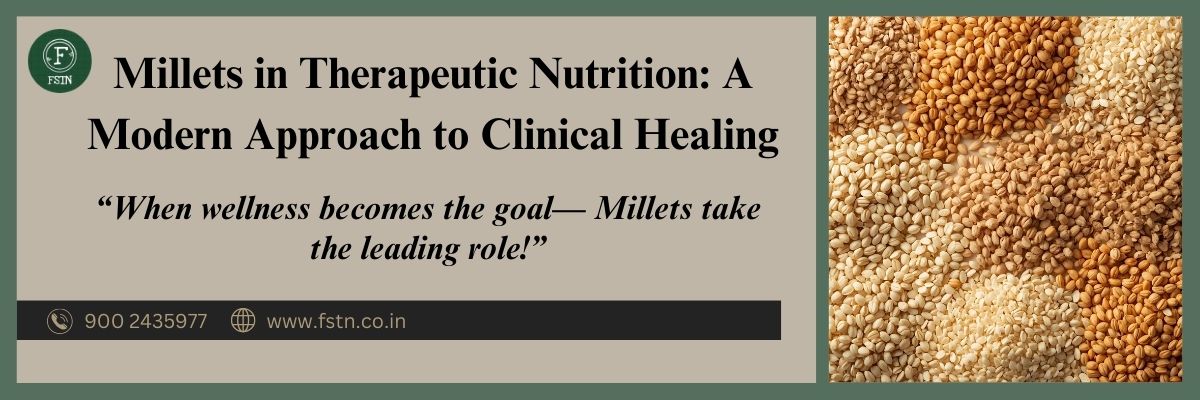
With rising lifestyle disorders and the growing dependency on ultra-processed foods, modern health goals are rapidly shifting. As gut health, hormonal balance, heart protection and diabetes reversal become major wellness concerns, one powerful dietary intervention is gaining clinical importance — Millets.
Millets, including ragi, jowar, bajra, foxtail, little millet and proso millet are not just traditional grains. They are therapeutic foods with the ability to treat metabolic and inflammatory conditions through their fiber density, slow-digesting carbohydrates, unsaturated fats, antioxidants and bioactive compounds. This makes them ideal in food-as-medicine diet programs.
Glycemic & Insulin Control
Millets support diabetes and insulin resistance therapy by:
- Releasing glucose slowly due to resistant starch and high fiber
- Enhancing insulin receptor responsiveness
- Preventing post-meal sugar spikes
- Reducing dependence on excess insulin secretion
This helps stabilize energy, curb sugar cravings and prevents the insulin roller-coaster that drives fat gain in diabetes and PCOS.
Cardiometabolic Protection
Millets act on the root causes of heart disease by:
- Lowering LDL cholesterol and preventing plaque buildup
- Providing unsaturated fats that reduce arterial stiffness
- Controlling oxidative stress & inflammation with polyphenols
- Enhancing magnesium intake to regulate blood pressure
Thus, they support fatty liver recovery, protect heart tissues, and improve overall metabolic resilience.
Gut Healing & Anti-Inflammatory Diets
Digestive disorders are rising as microbiome imbalance becomes common. Millets help by:
- Being 100% gluten-free, reducing immune-triggered gut irritation
- Acting as prebiotics, feeding beneficial gut bacteria
- Improving bowel movement regularity and toxin elimination
- Reducing internal inflammation linked to IBS and leaky gut
They are suitable for IBS, IBD, post-antibiotic recovery, and elimination diets.
Hormonal Regulation in Women’s Health
Millets provide nutrients essential in women’s therapeutic diets:
- Calcium-rich ragi supports bone healing and PMS symptoms
- Iron-rich varieties help manage anemia & fatigue
- Stabilizing blood glucose reduces insulin-driven hormonal imbalance in PCOS
- Improves thyroid function by supporting metabolic processes.
They empower hormonal balance naturally through nourishing micronutrients.
Weight Management & Anti-Obesity Action
Millets promote clinical weight correction by:
- Enhancing satiety hormones → less overeating
- Reducing visceral fat deposition
- Providing low-calorie, high-fiber meals
- Preventing binge cycles caused by refined grain consumption
Ideal for belly fat loss, sustainable weight reduction, and metabolic reset diets.
Dietitian Guidance: Using Food as Therapy
✔ Introduce gradually for improved tolerance
✔ Ensure protein pairing + vegetables for balance
✔ Maintain hydration due to fiber density
Therapeutic meal ideas:
- Foxtail pulao for metabolic improvement
- Jowar rotis for blood sugar control
- Bajra khichdi for inflammation healing
- Ragi porridge for bone and hormonal care
Closing Thoughts
As health priorities evolve, millets stand out as a clinically relevant solution for modern metabolic, hormonal and inflammatory challenges. Their versatility, nutrient density and therapeutic benefits make them a powerful foundation for preventive and corrective nutrition. By integrating millets into daily meals with mindful preparation and balanced pairings, individuals can move toward sustainable wellness rooted in nature and supported by science. Ultimately, choosing millets is a proactive investment in long-term health, vitality, and disease resilience.