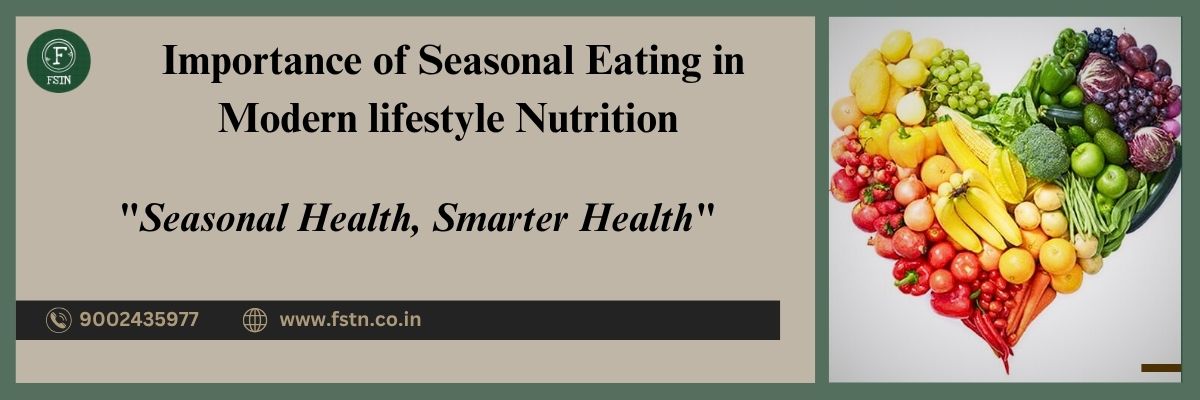
In today’s world, our lifestyle has become faster, more stressful, and heavily dependent on processed and convenience foods, now that we can access packaged foods and any fruit or vegetable at any time of year, seasonal eating has become even more crucial.
What is Seasonal eating?
Seasonal eating means primarily consuming foods that naturally ripen and are harvested in one's own region at the respective time. This approach aligns with the natural rhythm of nature and takes into account the climatic conditions of the respective location.
Implications of seasonality for Sustainable Consumption Patterns and Food Security
Because sustainable diets are complex, research often focuses on only one aspect at a time, which can overlook wider consequences. Seasonal eating is promoted as a sustainable choice, but its true environmental, health, economic, and social impacts must be compared with year-round produce. A recent holistic review found that while seasonal, field-grown foods may benefit the environment, they could pose challenges for public health and economic stability, and their effect on social inequality remains uncertain.
Different seasons naturally provide the nutrients your body needs.
- Spring fruits and vegetables like pineapple, Papaya, Guava,Green peas, Spinach,and carrots boost immunity, reduce allergies.
- Summer Fruits offer anthocyanin for heart and brain health like Mango, Watermelon, Litchi and vegetables like Cucumber, Tomatoes, Bottle gourd (Lauki), Green beans.
- Monsoon foods suggest support detoxification jamun and vegetables like Bitter gourd, Ridge gourd, Ladyfinger (Bhindi) give fiber and steady energy.
- Autumn Fruits like Custard apple (Sitaphal), Apple, Grapes and Vegetables like Pumpkin, Sweet potato prevent seasonal infection.
- Winter Fruits offer vitamin C and fiber like Oranges Guava, Pomegranate and Vegetables like Cauliflower, Broccoli, Carrots, Beets, Radish.
Health Benefits of Seasonal Eating
- Higher nutrient content:Seasonally harvested foods naturally contain higher nutrient levels because they’re allowed to ripen fully under ideal conditions like Tomatoes.Produce that matures on the plant develops richer vitamins, minerals, and phytochemicals.
- Better digestibility: Our bodies naturally adjust to the changing seasons, and seasonal foods help support these changes. For example, watery fruits in summer keep us cool and hydrated, while root vegetables in winter give us warmth and steady energy.
- Strengthening the immune system: Nature provides the right nutrients at the right time. Citrus fruits ripen in winter, delivering high amounts of vitamin C exactly when our immune system needs this support the most.
Risk
Modern farming and long-distance transportation often involve artificial ripening, excessive chemicals, and long storage periods.This reduces the nutrient quality of off-season foods and increases chemical exposure. Seasonal eating helps avoid this, offering cleaner, safer, and more wholesome nutrition.
Eat with the Season, Heal with the Season.
Seasonal eating is a powerful yet often overlooked tool for better health in today’s fast and convenience-driven lifestyle. When we choose foods that grow naturally in each season, we get fresher nutrients, better digestion, stronger immunity, and more stable energy levels. Seasonal produce works with the body’s natural rhythms, not against them, helping us stay balanced throughout the year. In a time when processed and off-season foods are everywhere, returning to seasonal eating is a simple, sustainable, and highly effective step toward long-term wellness.