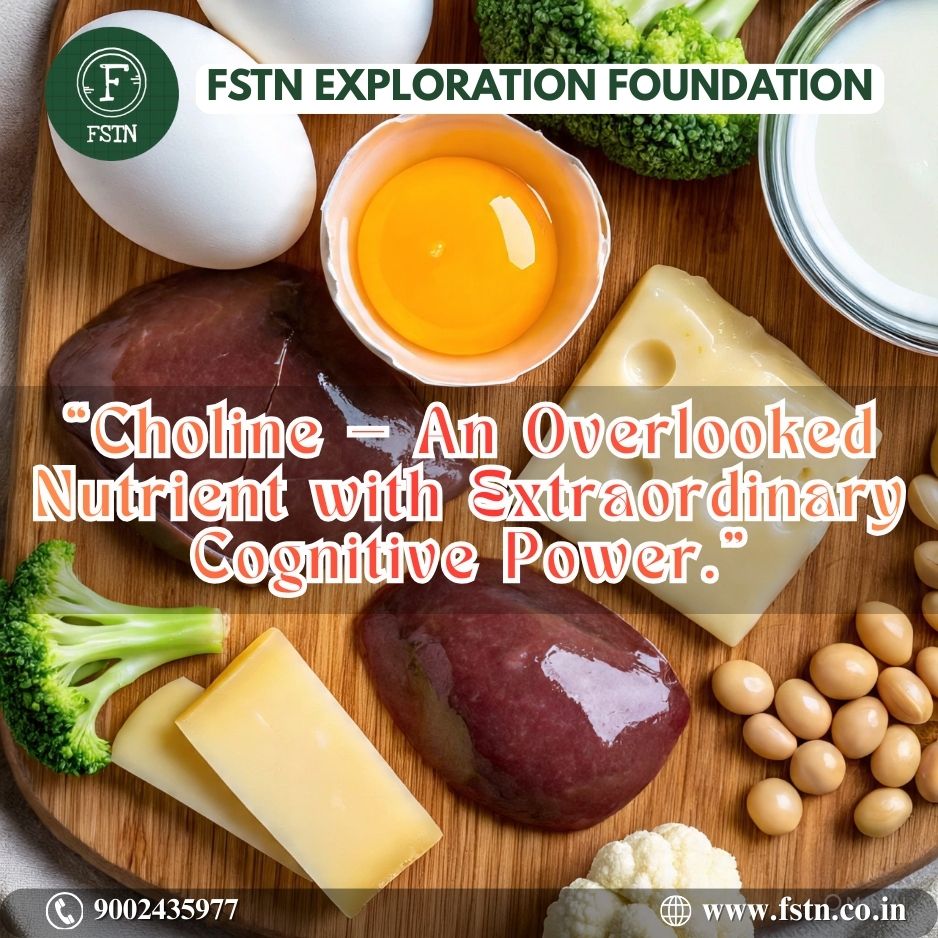
In the glittering world of urban living, where supermarket shelves overflow and restaurant menus dazzle with choices, a quiet crisis brews beneath the surface — Hidden Hunger. It’s not about empty stomachs, but empty nutrients. Hidden hunger creeps into city lives masked by fullness yet marked by deficiency — a silent struggle against the lack of vital micronutrients like iron, vitamin A, zinc, iodine, and folate.
When Full Plates Hide Empty Nutrition
Urban diets today are dominated by convenience — refined carbs, processed snacks, and sugary drinks. These foods may fill our bellies but fail to nourish our cells. Behind the glossy packaging lies a nutritional vacuum. The irony? Many city dwellers consume more calories than ever, yet their bodies are starved for essential vitamins and minerals. This imbalance weakens immunity, dulls energy, and even impairs brain function — all while going unnoticed.
The Invisible Deficiency Epidemic
According to global nutrition studies, over 2 billion people suffer from micronutrient deficiencies — and urban populations are not exempt. The desk-bound lifestyle, erratic meal timings, and fast-food culture amplify the risk. The most common victims of hidden hunger include children, women of reproductive age, and working professionals. Iron deficiency leads to fatigue, vitamin D insufficiency causes bone weakness, while inadequate B-vitamins impact mood and metabolism. The consequences ripple through generations, affecting productivity, growth, and overall well-being.
Breaking the Cycle with Smart Nutrition
Fighting hidden hunger doesn’t demand exotic foods — just intentional choices.
- Colorful plates filled with whole grains, green leafy vegetables, fruits, pulses, nuts, seeds, and fortified foods can restore the micronutrient balance.
- Cooking methods matter too — minimal oil, less frying, and more steaming or roasting help preserve vitamins.
- Simple habits like sun exposure for vitamin D or using iodized salt can make a big difference.
From Awareness to Action
The first step to tackling hidden hunger is awareness — recognizing that nutrition is more than calories. Urban wellness must evolve beyond fitness trends to include micronutrient mindfulness. Schools, workplaces, and food industries must promote fortification, nutritional education, and access to wholesome foods.
Hidden hunger may be silent, but its impact echoes loudly across our lives. It’s time to look beyond how much we eat — and start caring about what we truly feed our bodies. Because a nourished life isn’t built on fullness — it’s built on wholeness.
“Feed Beyond Fullness — Nourish the Hidden Hunger Within.”