Every year, Teachers’ Day reminds us of the invaluable role teachers play in shaping our minds, careers and future. But while we celebrate academic learning, there’s another kind of teaching that silently influences our lives every single day—Nutrition Education.
Nutrition Education is like a teacher who never discriminates—its lessons apply to everyone, regardless of class, income or background. Nutrition isn’t a privilege—it’s a necessity. Just as teachers guide us to wisdom, nutrition education guides us to health. It doesn’t come from textbooks alone; it comes from awareness, choices, and habits that stay with us for a lifetime. And what better occasion than Teachers’ Day, during the observance of National Nutrition Month, to recognize the importance of this “teacher of health”?
What Makes Up Nutrition Education?
Just like any subject in school, nutrition education has its own “curriculum.” Its components go beyond food charts—they’re about building life skills:
- Knowledge – Understanding food groups, nutrients, balanced diets and their link to diseases.
- Awareness – Realizing how food choices affect health, culture and even the environment.
- Practical Skills – From reading food labels to cooking healthy meals and planning a budget-friendly diet.
- Behaviour Change – Turning knowledge into habits: mindful eating, portion control, staying active.
- Community Sharing – Passing on the message in schools, households and public health campaigns.
Together, these components help us not only to eat better but to live better.
The Power of Nutrition Education in National Nutrition Month
National Nutrition Month gives us a chance to pause, reflect and act. It’s not just about awareness campaigns but about inspiring real change:
- It prevents diseases before they start.
- It motivates schools to make nutrition a core part of learning, not an afterthought.
- It helps families make healthier choices within their budget.
- It improves workforce productivity by reducing illness and absenteeism.
- It builds a future generation that understands health as wealth.
Nutrition education, when celebrated during this month, is like a loudspeaker reminding us: “Health is Taught, Learned and Practiced—just like any other subject.”
Target Groups for Nutrition Education in the Community:
Nutrition education must be tailored according to the audience. Main target groups are:
- Children & Adolescents: School children for developing lifelong healthy food habits. Teenagers to tackle anemia, eating disorders, junk food culture and body image concerns.
- Women of Reproductive Age: Pre-conception, pregnancy, and lactation to avoid maternal malnutrition and promote child health. Adolescent girls to avoid anemia and equip for future motherhood.
- Parents & Caregivers: For apposite infant and young child feeding practices, complementary feeding and balanced school tiffin.
- Elderly Population: To manage age-related issues such as sarcopenia, osteoporosis, diabetes, hypertension and gastrointestinal problems.
- Low-Income & Vulnerable Groups: Households residing in food-insecure situations. Slum residents, rural populations and marginalized groups.
- Working Professionals: To control lifestyle disorders, stress eating, and disturbed food patterns.
- Patients & Special Populations: Individuals suffering from chronic diseases (diabetes, CKD, CVD, cancer, thyroid disorders, etc.). Those receiving medical treatments and require dietary adjustments.
- General Community at Large: All members of the community stand to gain from food safety awareness, sustainability, and disease prevention non-communicable diseases.
Who Are the Real Nutrition Educators in the Community?
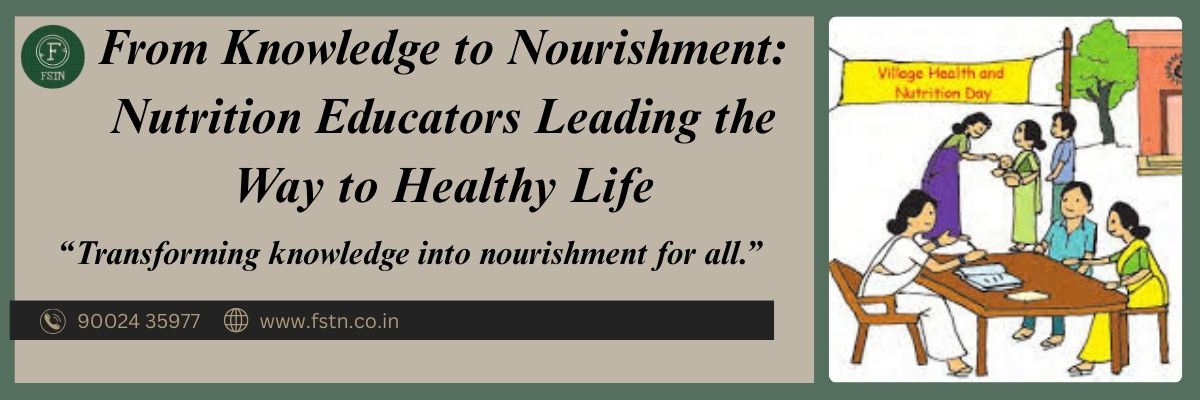
In real life, Nutrition Education does not only consist of Dietitians. Various individuals and sources act as Nutrition Educators:
- Clinical Nutritionists & Dietitians – The frontline professionals offering evidence-based nutritional advice.
- Doctors & Nurses – They are usually the first contact for patients and they play an important role in reinforcing nutrition messages.
- Teachers & School Staff – Teaching children healthy eating, hygiene and lifestyle habits.
- Anganwadi Workers & ASHA Workers (in India) – Grassroot health workers creating awareness among rural populations.
- Government & NGOs – Organizing nutrition campaigns, awareness drives and supplementation programs.
- Parents & Caregivers – Everyday role models shaping children's dietary habits.
- Media & Social Media Influencers – Promoting nutrition facts to large groups (though fact-checking is essential).
- Community Leaders & Peer Educators – Community leaders who are known and trusted figures in local populations who disseminate information at the grassroots level.
- Food Service Providers – Canteens, corporate cafeterias and midday meals also indirectly influence eating habits.
Beyond the Plate: Vital Aspects to Remember
- Nutrition is Empowerment – A well-nourished child learns better, works better and lives better.
- Nutrition is Equality – When communities understand food, health gaps between rich and poor begin to close.
- Nutrition is Sustainability – Education about local, seasonal, and eco-friendly foods builds a healthier planet.
- Nutrition is Lifelong Learning – Just like teachers never stop teaching, nutrition lessons never stop guiding us through different stages of life.
Closing Note: Teachers of Health Deserve Recognition Too
On this Teachers’ Day, while we honour academic mentors, let’s also honor the “silent teachers” who work tirelessly— The Dietitians, Health Educators, Caregivers and Community Workers. They may not always stand in classrooms, but their teachings save lives, prevent diseases and nurture healthier societies.
As we step deeper into National Nutrition Month, let’s remember: A True Teacher shapes Our Minds with Knowledge and Nutrition Education shapes Our Health. Together, they create the foundation of a Stronger, Brighter and more Resilient Nation.
If Education is the key to Success, then Nutrition Education is the key to Survival.