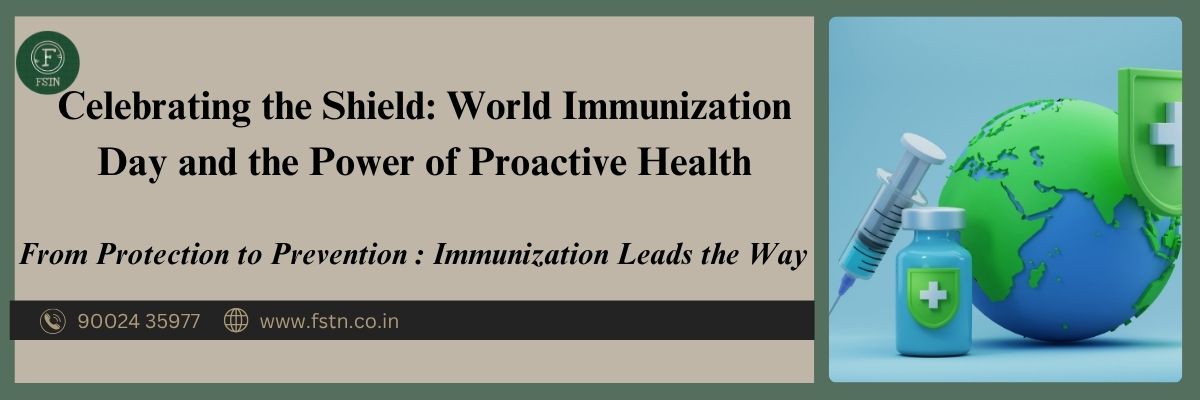
Every year on November 10th, the world observes World Immunization Day, a vital occasion dedicated to raising global awareness about the profound importance of vaccines in preventing infectious diseases and protecting public health. This day serves as a crucial reminder of one of modern medicine's most significant achievements and the ongoing need to ensure that every individual has access to these life-saving tools.
A History of Hope: The Genesis of World Immunization Day
The observance of World Immunization Day is rooted in a global commitment to disease prevention. While the history of vaccination dates back centuries—most notably with Edward Jenner's pioneering work on the smallpox vaccine in the late 18th century—the specific day was established by the World Health Organization (WHO). It was initiated in the early 2010s to intensify focus on vaccination efforts, building upon the foundation laid by the WHO's Expanded Program on Immunization (EPI) launched in 1974.
The EPI aimed to ensure that all children, particularly those in low and middle-income countries, had access to routine vaccines. World Immunization Day extends this mission, advocating for continued progress in vaccine coverage and encouraging global cooperation to achieve universal immunization, which is now considered a fundamental human right. Vaccines have already led to the global eradication of smallpox and brought diseases like polio to the brink of extinction, saving millions of lives annually.
The Triple Alliance: Health, Nutrition, and Immunization
Immunization is a pillar of global health, but its effectiveness is intrinsically linked to two other fundamental factors: Nutrition and Dietetics. This forms a critical "Triple Alliance" for optimal well-being.
- Nutrition Fuels Immunity: A well-nourished body is a better-protected body. The immune system, which vaccines are designed to activate, requires a steady supply of specific micronutrients like vitamins A, C, D, E, zinc and selenium, as well as adequate protein. When an individual, especially a child, suffers from malnutrition, their immune cells and antibody production are compromised. In such a state, the body may not mount a strong, protective response to a vaccine, essentially limiting the vaccine's impact.
- Dietetics as a Shield: This is where the science of Dietetics—the practical application of nutrition—comes into play. Dietitians and Nutritionists are key in addressing malnutrition and promoting balanced, nutrient-rich diets. A healthy diet, rich in fruits, vegetables, whole grains and lean proteins, ensures the body has the necessary building blocks not just for growth but also for an effective immune response, making immunization programs more successful.
- Breaking the Vicious Cycle: Immunization and good nutrition work together to break the vicious cycle of infection and malnutrition. Infectious diseases deplete the body's nutrient stores and malnutrition, in turn, weakens the immune system, making the body more susceptible to severe illness. Co-delivering nutrition and immunization interventions—like providing Vitamin A supplements during a routine vaccination—is a proven, cost-effective strategy that maximizes the protective health benefits for vulnerable populations.
The Core Principle
Focus on eating a variety of whole, minimally processed foods. Your plate should be colorful, as bright-colored produce is rich in the antioxidants and micronutrients that prime your body's defenses. By focusing on excellent nutrition and prioritizing your immunizations, you create the most resilient defense system possible, ensuring you and your community are protected.
World Immunization Day is thus a call for a holistic approach to health. It's a reminder that a simple injection offers powerful protection, but that protection is strengthened exponentially when backed by the essential foundation of good nutrition. Our health is truly an ecosystem, where prevention (immunization), sustenance (nutrition) and mindful eating (dietetics) must work in harmony to ensure a long, healthy life for all.